


Пн-Пт: 10:00 - 19:00
Сб: 11:00 - 19:00
Нд: 12:00 - 18:00
Top
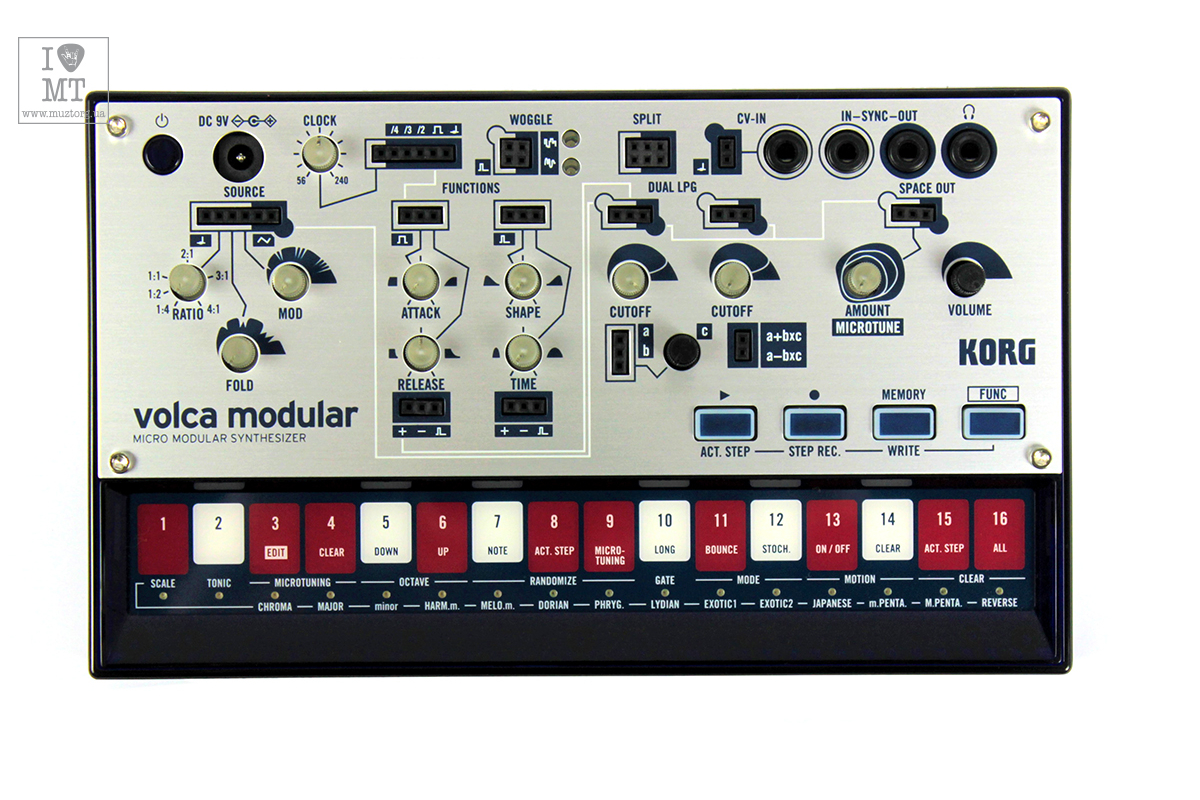
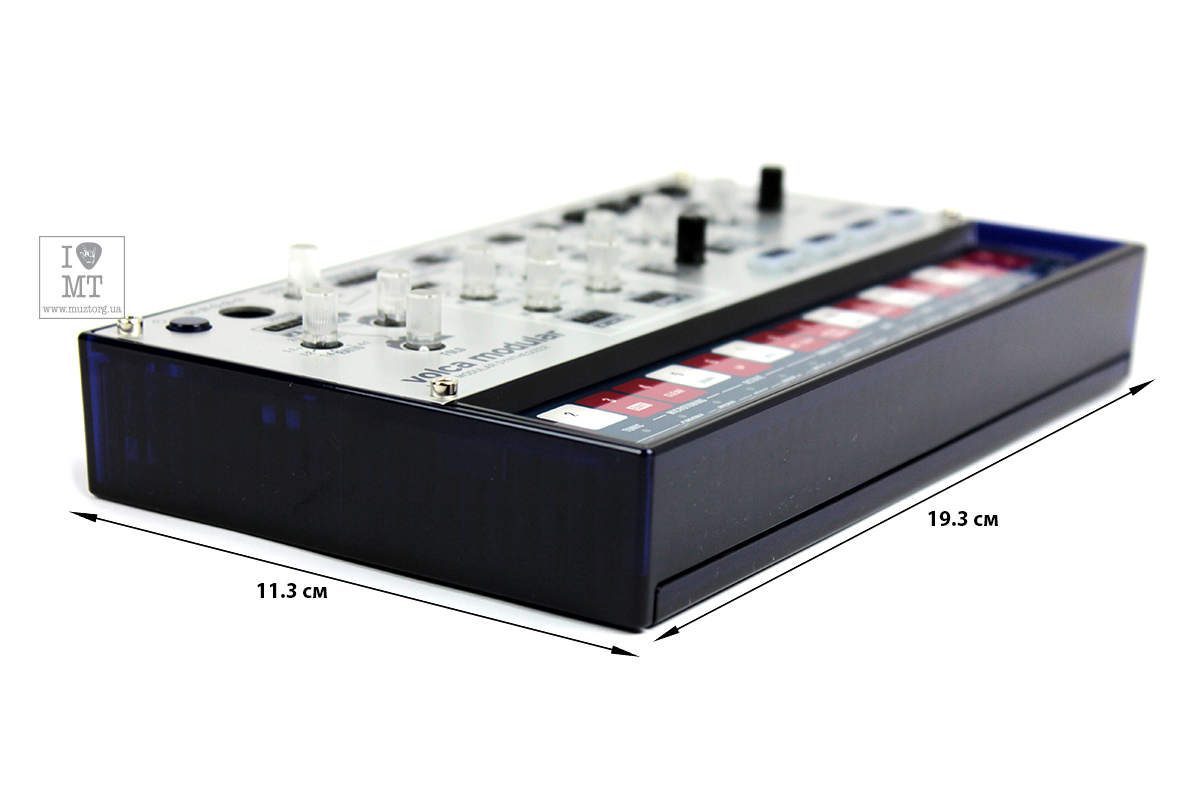
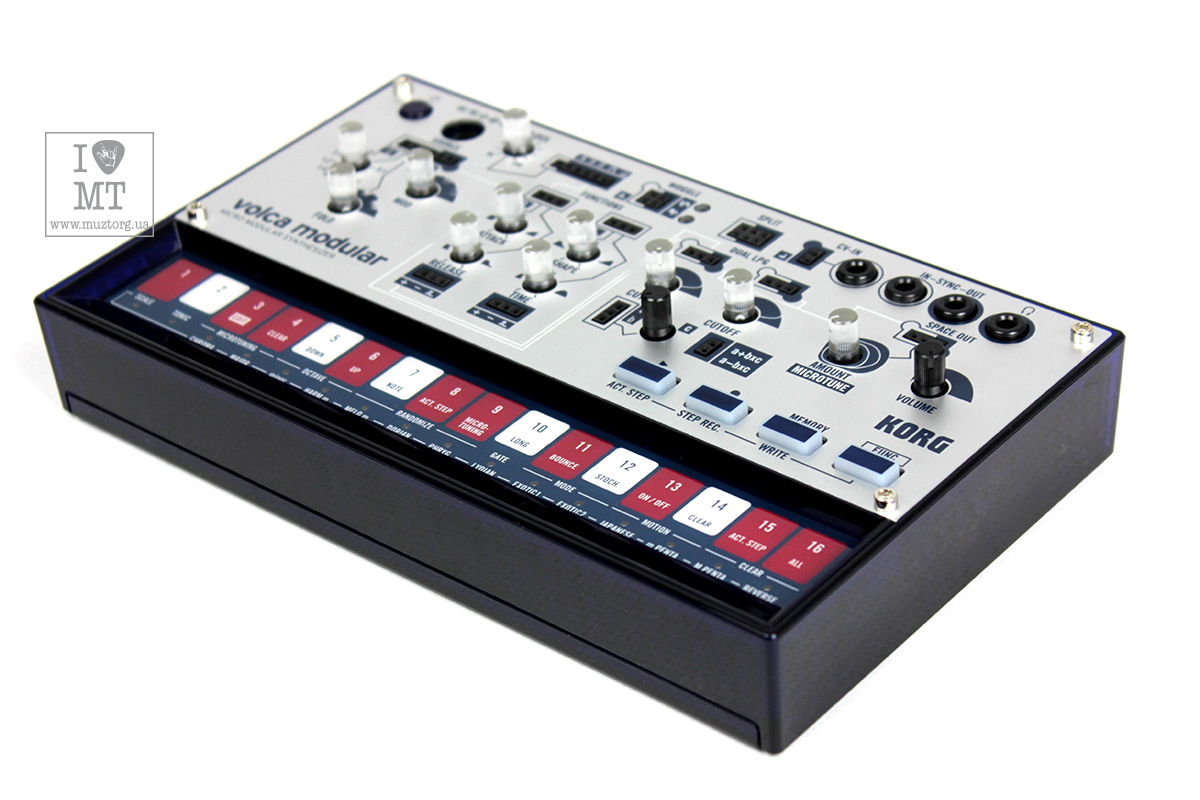
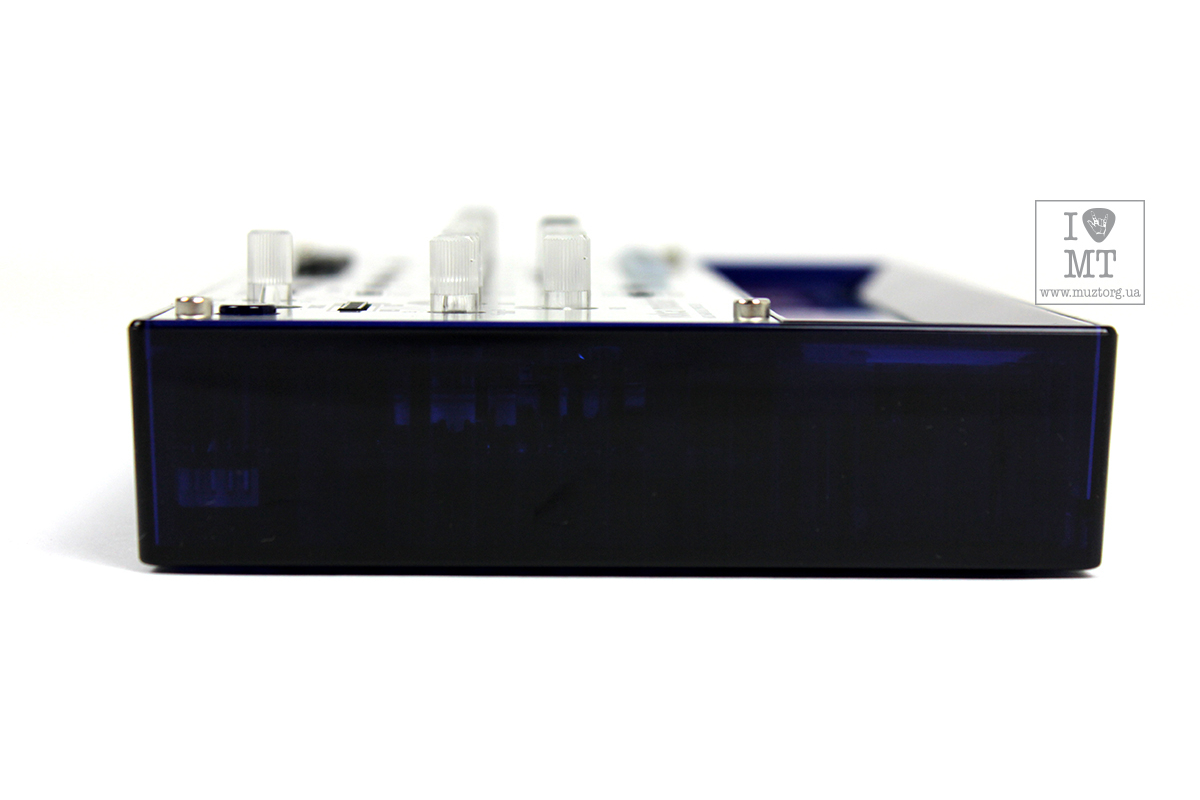
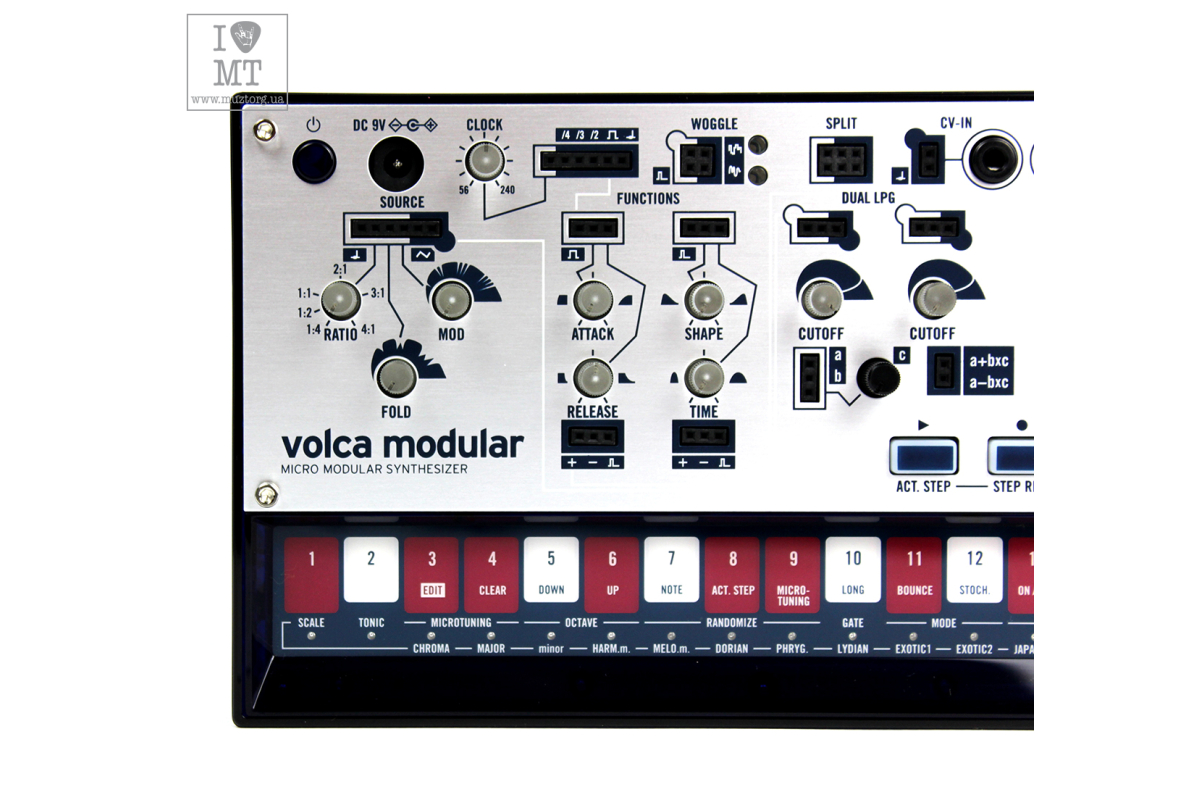
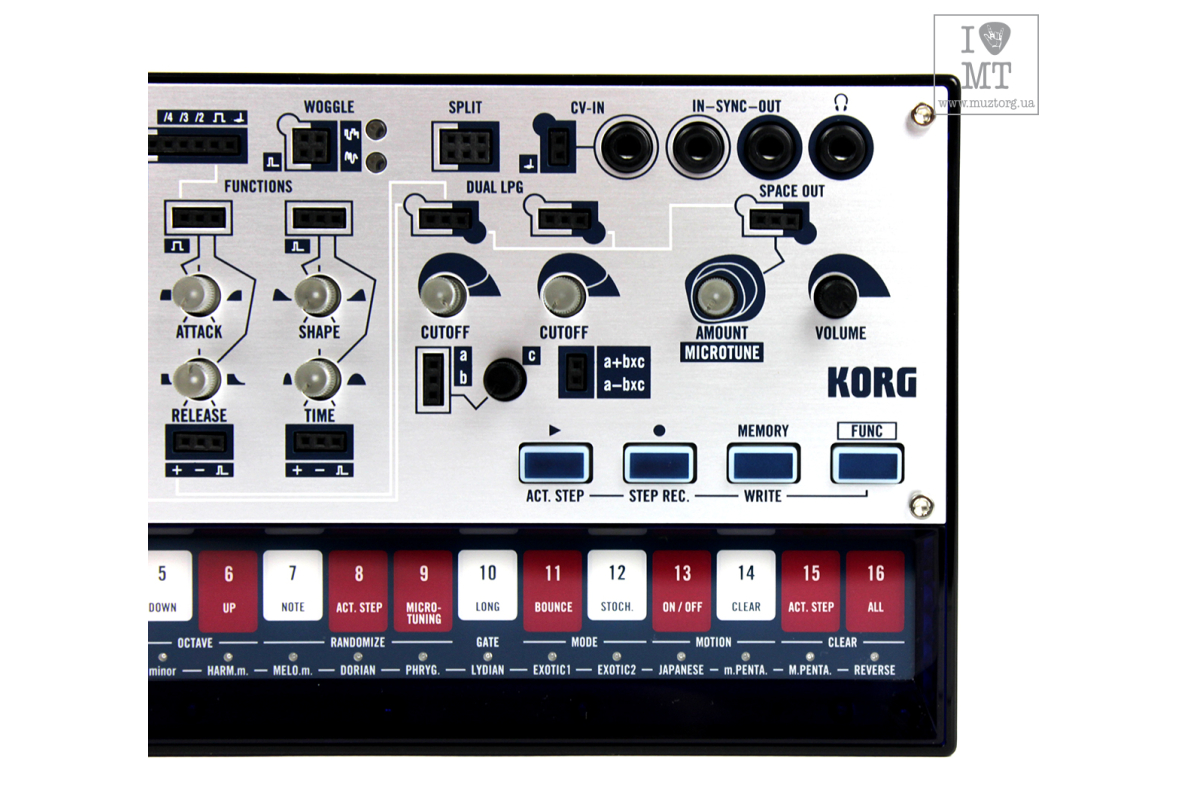
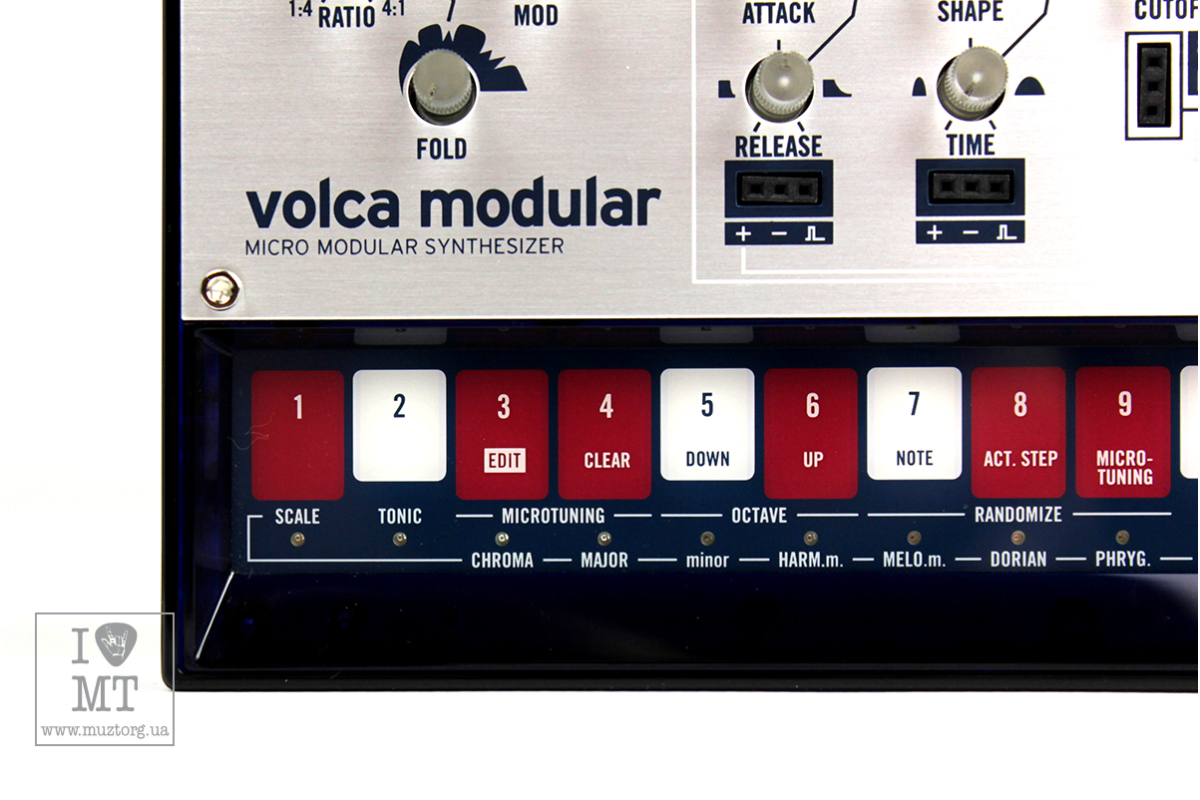
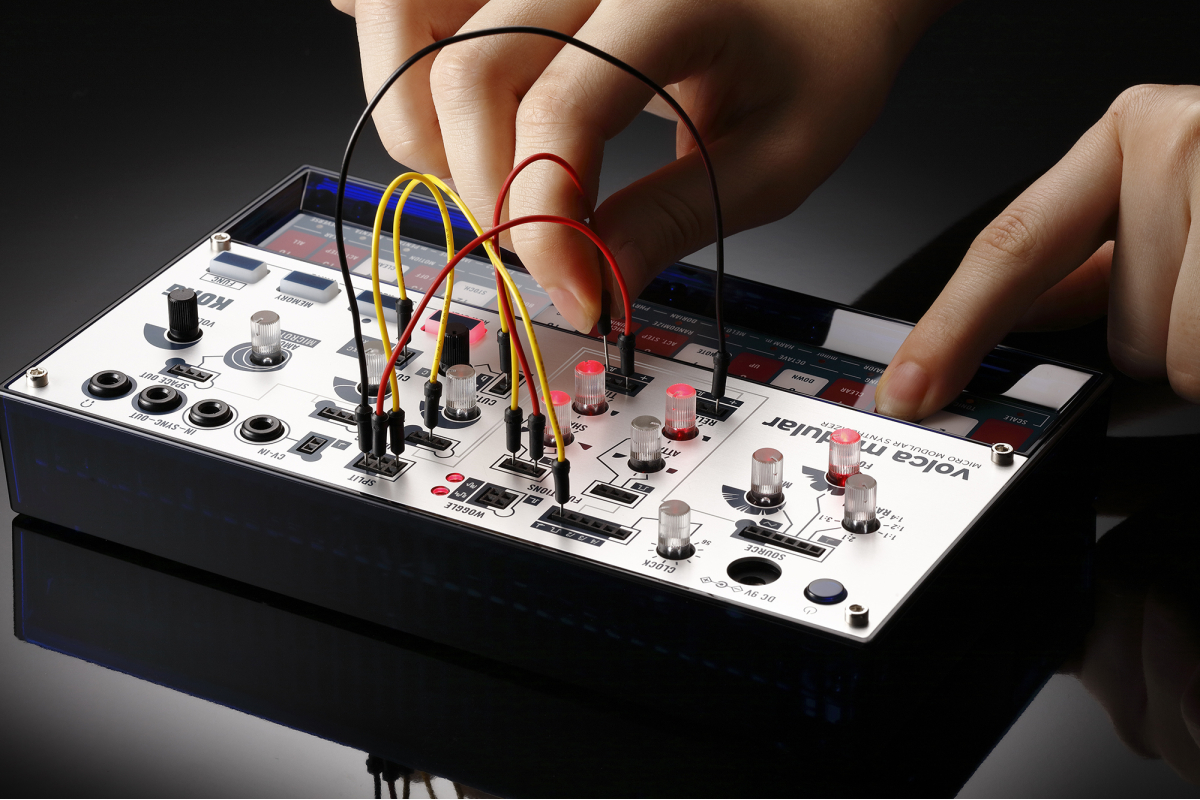
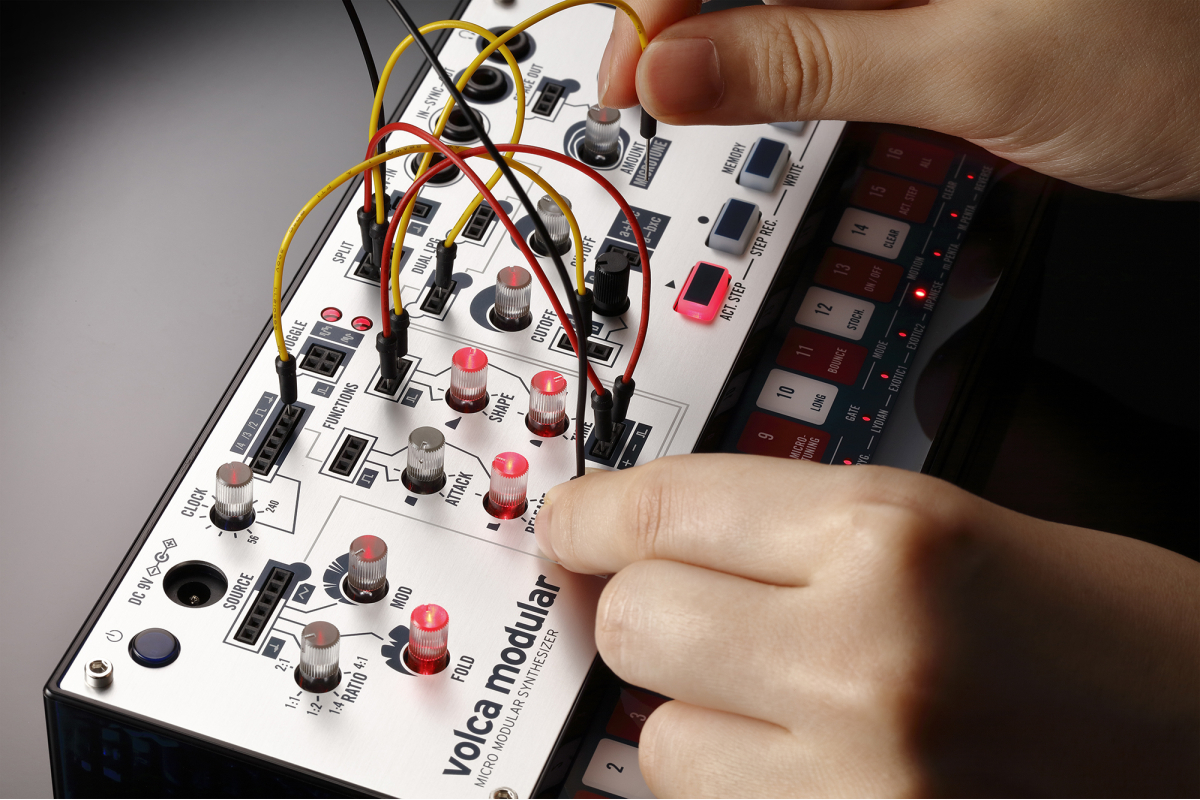


KORG Volca-Modular Synthesizer
In Stock
Model: 227815
3,678 Kč
Delivery:
Via the DPD courier service within the EU
Payment:
ComGate (online bank card payment, Apple Pay, Google Pay, bank transfer), PayPal, cash on collection
Warranty:
6 months official manufacturer warranty. Exchange/return within 14 days.
Specification
Category
Synthesizers for electronic music
Synthesis Type
Analog
Type of keyboard
Not available
Performance
Modular
Battery Operated
Yes
After touch
No
Vocoder
None
Arpeggiator
None
Sequencer
Yes
Polyphony
1 vote
Inputs
1 x 1/8" (CV); 1 x 1/8" (Sync)
Outputs
1 x 1/8" (Sync)
Headphone output
1 x 1/8"
Sequencer Specifications
Number of tracks - 1; Number of steps - 16; Number of patterns for recording - 16
Available options
KA350 Power Adapter; CC-VOLCA Case; CB-4 VOLCA Cover; SQ-CABE-6 Cable
Color
Black with silver
Additional
Battery life of about 5 hours; 50 x inputs and outputs for module circuit switching
Warranty
12 months
Configuration
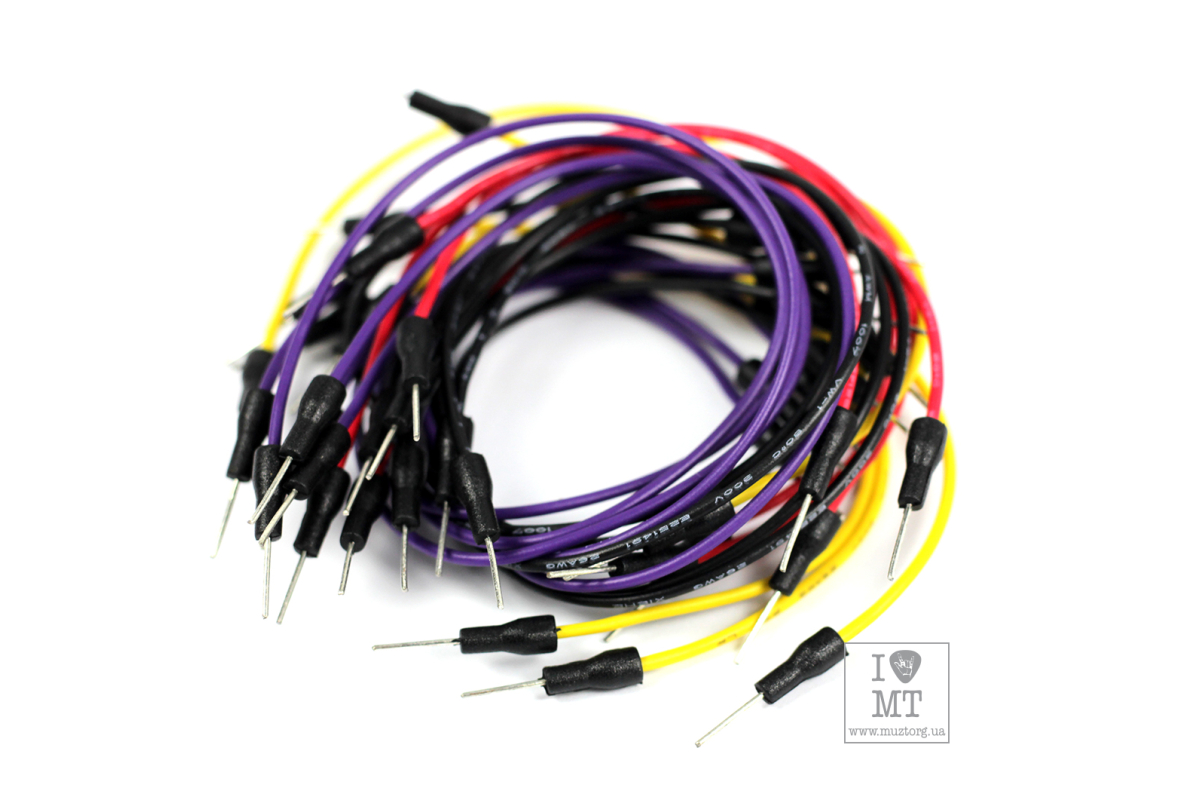
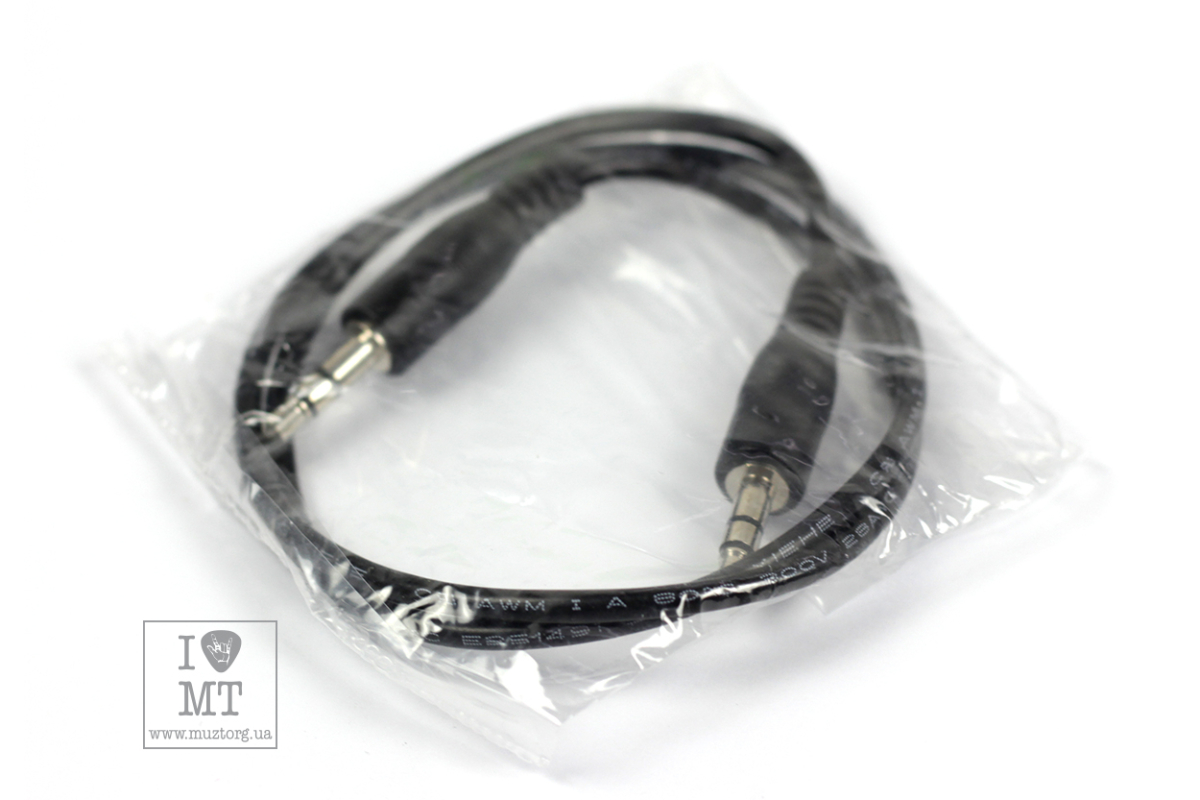
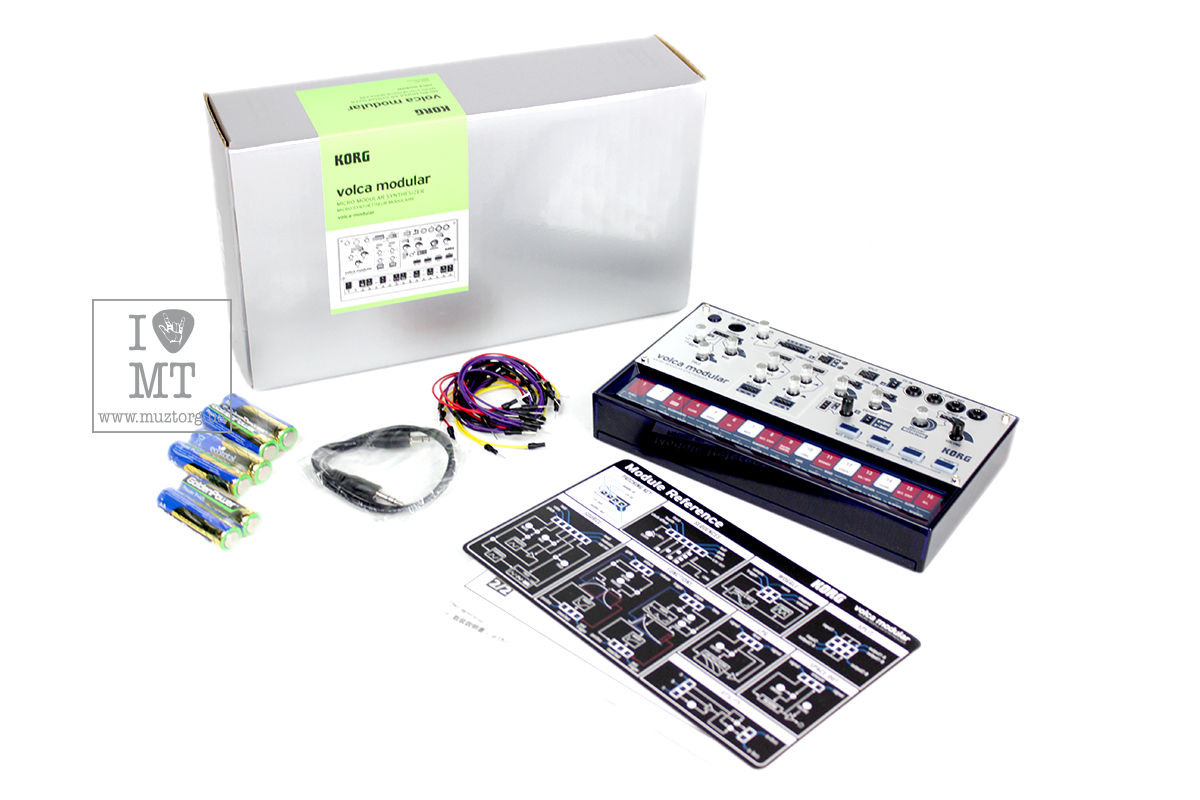
Synthesizer, Sync cable, pin cable, instruction
Product dimensions (without packaging)
19.3 x 4 x 11.5 cm
Net weight (without packaging)
0.4 kg
Power Supply Elements
Yes
Type of power supply elements
AA Batteries/Power Adapter
Description
KORG VOLCA MODULAR — semi-modular analog synthesizer that makes modular synthesis accessible and understandable
Creating new sounds that do not exist in the outside world is an endless dream that has continued since the advent of electronic musical instruments. This dream has evolved and expanded through the development of new unique devices for music production.
The compact body of the new Volca synthesizer features eight modules and 50 connection points. By exploring the basics of a modular synthesizer, you can use the popular features of the Volca synthesizer line to control unique and diverse analog sounds.
Korg Volca Modular — the perfect first choice for all users who would like to try modular synthesis or have a powerful addition to an existing Eurorack setup.
Some basic modules are already patched, so beginners can produce various sounds even without patching. Volca Modular is simple, accessible, and fun.
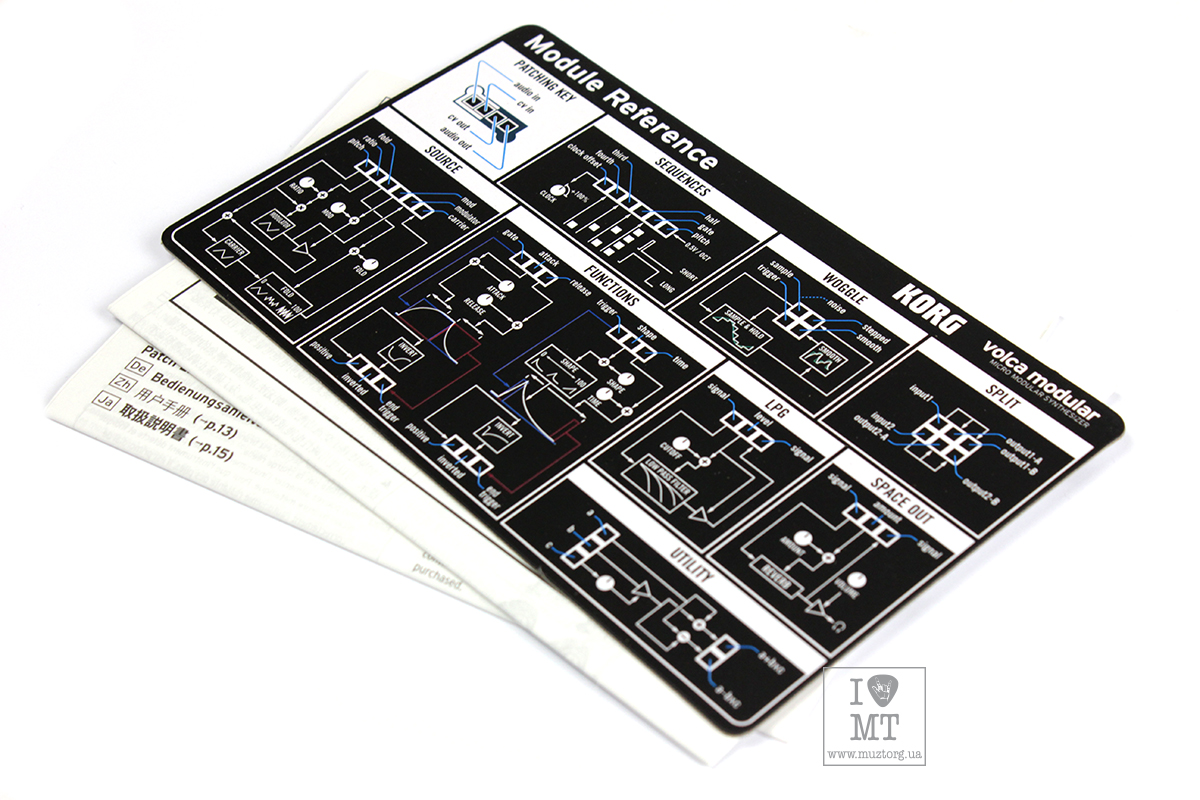
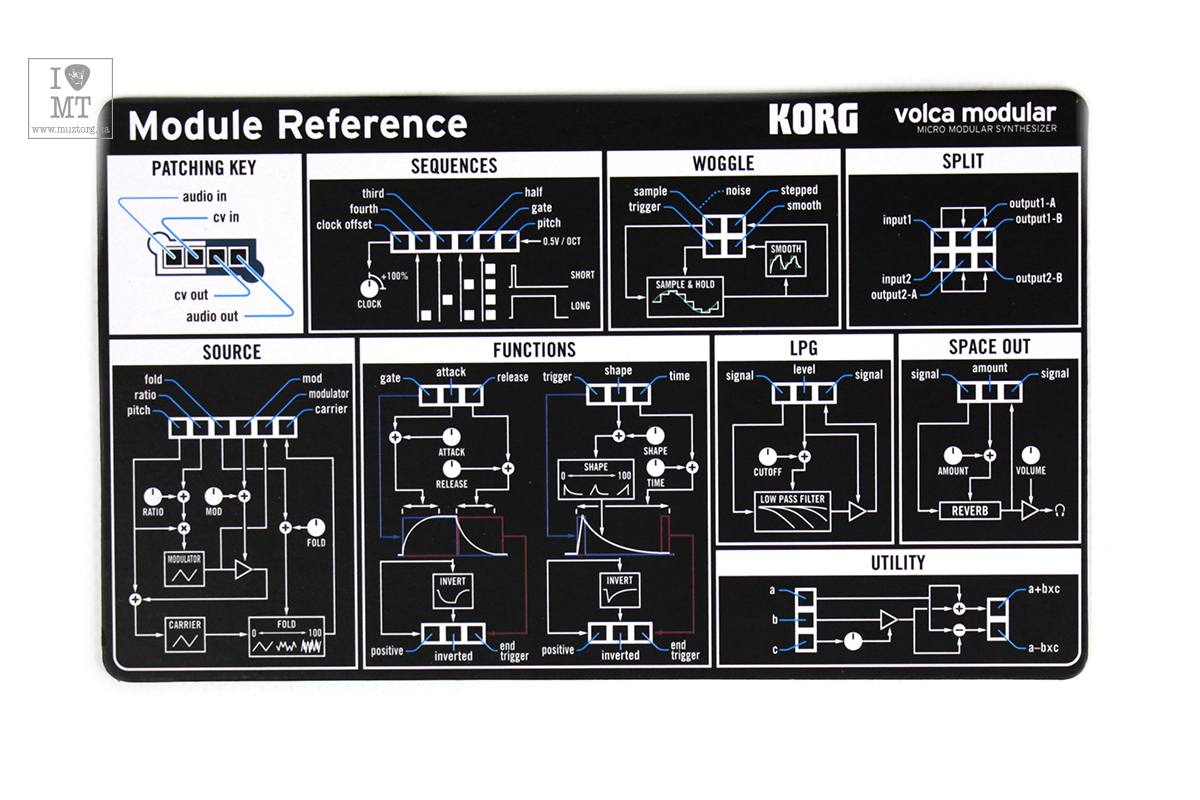
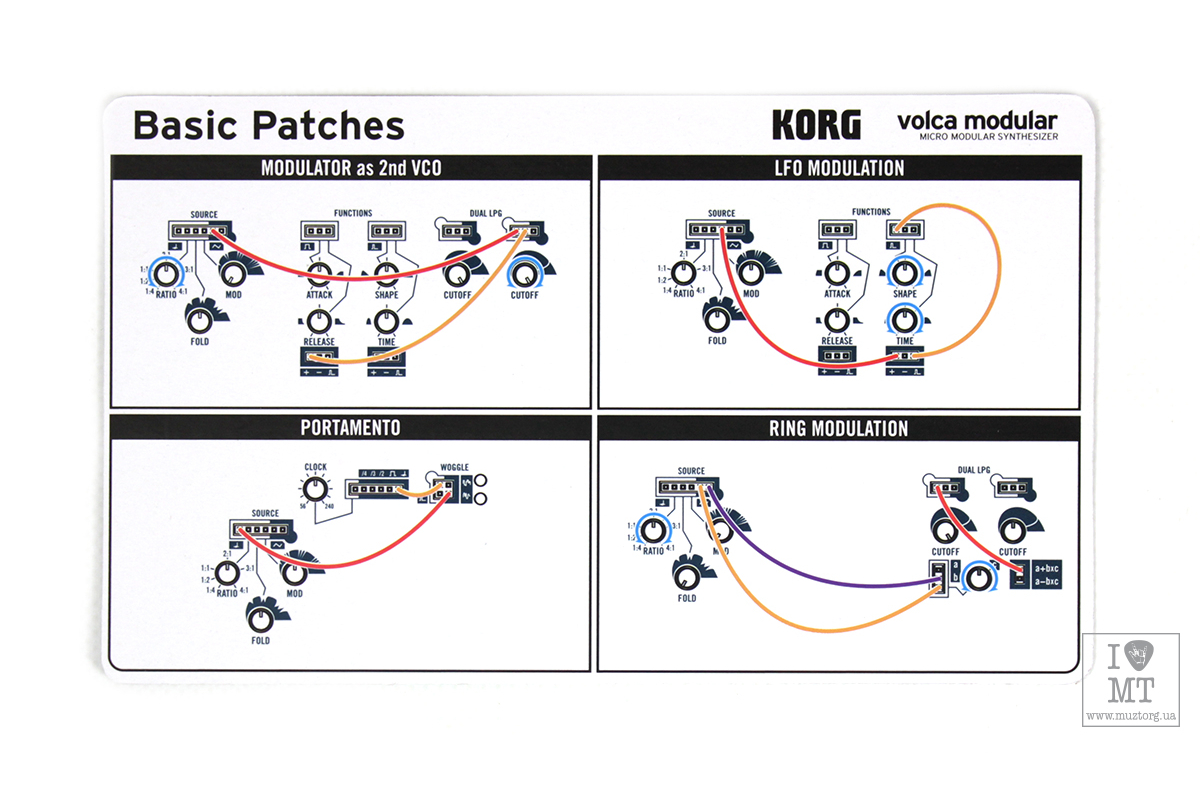
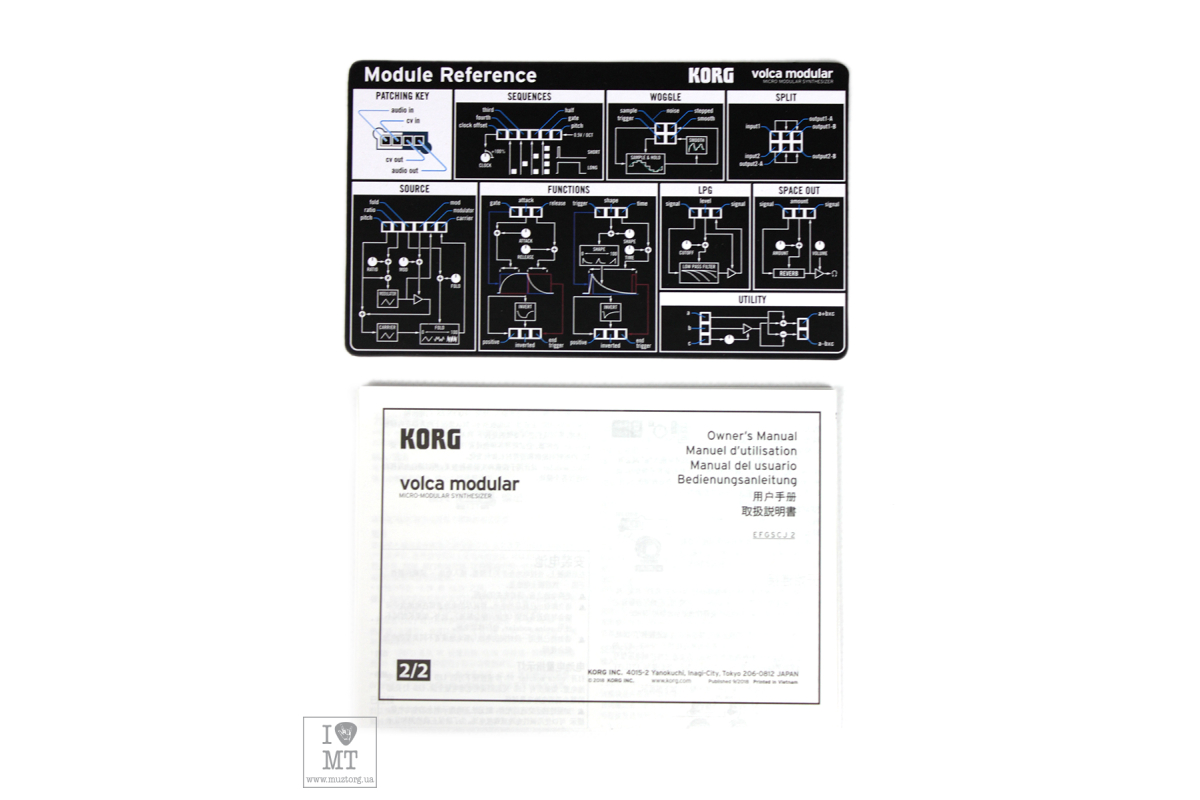
The main manual includes a beginner's guide — reference information and patch connection diagrams. The developers have prepared reference information on what each module and patch connection point means, allowing the user to experiment while looking at the guide.
Analog synthesizer consisting of eight modules
Volca modular is a semi-modular synthesizer consisting of independent analog synthesis modules, digital effects, and a sequencer. Each of the modules has been carefully selected for its autonomy. The modules are connected internally, so sound can occur even before connecting cables, and routing is shown by lines on the panel. Cable connections between modules take priority over internal connections, bypassing them.
SOURCE: This module is important in determining the fundamental character of the Volca Modular sound.
WOGGLE: This is a random signal generator that uses pink noise* as a source.
*Pink noise contains all frequencies that the human ear can distinguish — from 20 to 20,000 Hz.
With pink noise, the power of the signal decreases as the frequency increases.
Pink noise is found, for example, in heart rhythms, in brain electrical activity graphs, in the electromagnetic radiation of celestial bodies, and in virtually any electronic and mechanical devices.
DUAL LPG: Typical for West Coast synthesis*, the module has a filter with gain, allowing brightness and loudness of sound to change simultaneously.
*West Coast synthesis uses control of harmonic overtones through FM modulation. It primarily reproduces sound using oscillators and modulation, while the so-called East Coast style is a configuration of VCO-VCF-VCA, mainly used in traditional keyboard synthesizers.
SPACE OUT: This is a stereo module that applies a reverb effect to the audio signal.
FUNCTIONS: This section consists of two generators. In addition to the ADH generator with attack, hold, and release, there is a Rise-Fall generator, also known as a slope generator, which not only applies time-varying sound changes but also allows connecting the end trigger back into the trigger in a loop, making it suitable for use as a VCO or LFO.
SPLIT: This module distributes one input to two outputs. It can also be used in reverse, combining two controls or audio signals into one.
UTILITY: This is a mixing scaling module that combines two signals in various ways. It can mix not only audio signals but also control signals, as well as invert and attenuate these signals.
SEQUENCES: This module is designed for connection to the internal sequencer.
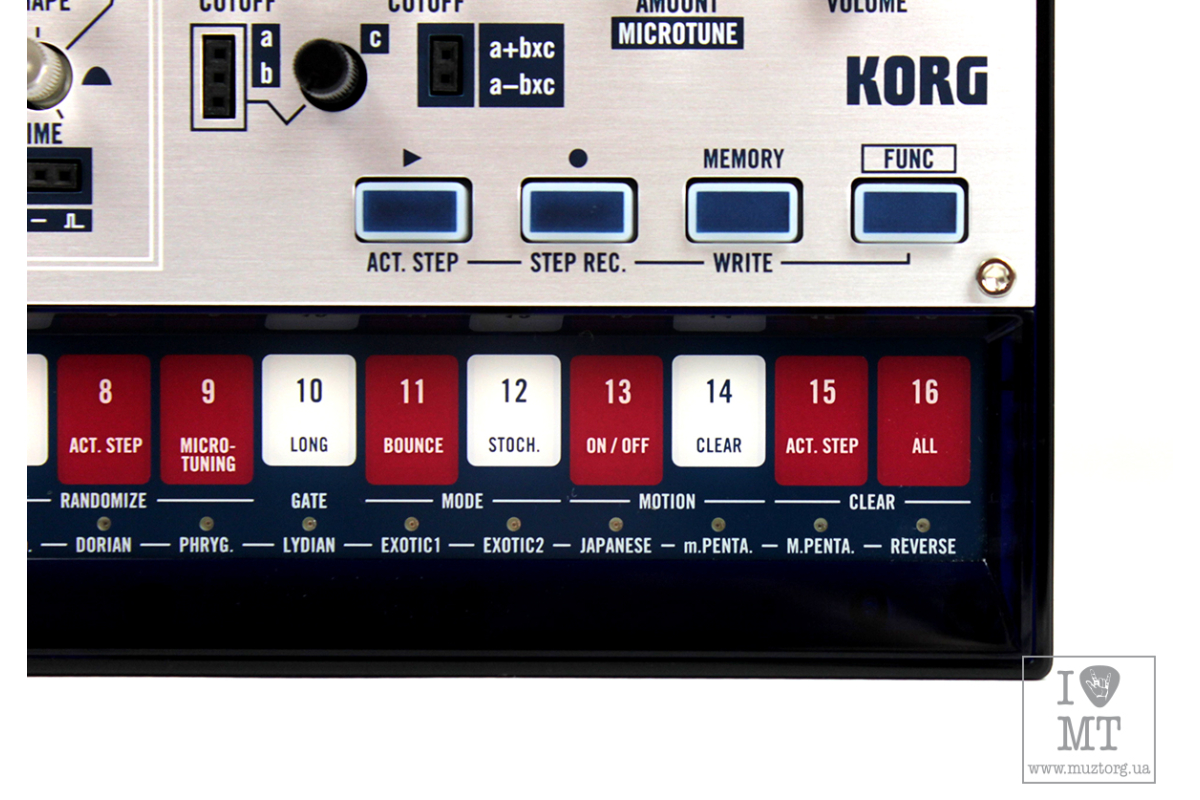
A sequencer that enhances the experimental possibilities of music sound. While the Volca Modular is a semi-modular synthesizer, it features a full 16-step sequencer that provides a wide range of functions, allowing you to enjoy performance even when used in standalone mode.
Using 16 buttons familiar from the Volca series, you have the option to perform step input or use the buttons as a keyboard for real-time recording. The pattern chaining function sequentially plays patterns from multiple sequences, allowing you to combine up to 16 sequences with 32, 64, or even 256 steps for large-scale development.
The motion sequence function records knob movements, allowing you to add changes to the sound.
You can create loops or use this function in live performance for an amazingly original performance. The device can store up to 16 patterns and sounds.
There is also an active step function that allows playback while skipping specified steps. You can skip the second half to create a short loop, use an alternative time signature to create polyrhythms, and develop sequence patterns in real-time for a dynamic performance.
A randomization function that can generate random ideas. The Volca Modular sequencer allows you to set randomization for notes, active steps, and micro-tuning. Irregular rhythms and scales can be generated by applying randomness, allowing the Volca to be a generator of unknown ideas.
Two new sequencer modes added: a mode that allows for circular traversal of steps, and a sequence mode that continuously progresses with random movement back and forth. Playing a recorded sequence in another form can significantly change your composition or performance.
Reviews & Questions
No product reviews KORG Volca-Modular Synthesizer